
Cosmetic Patents and Novelty in Modern Formulations
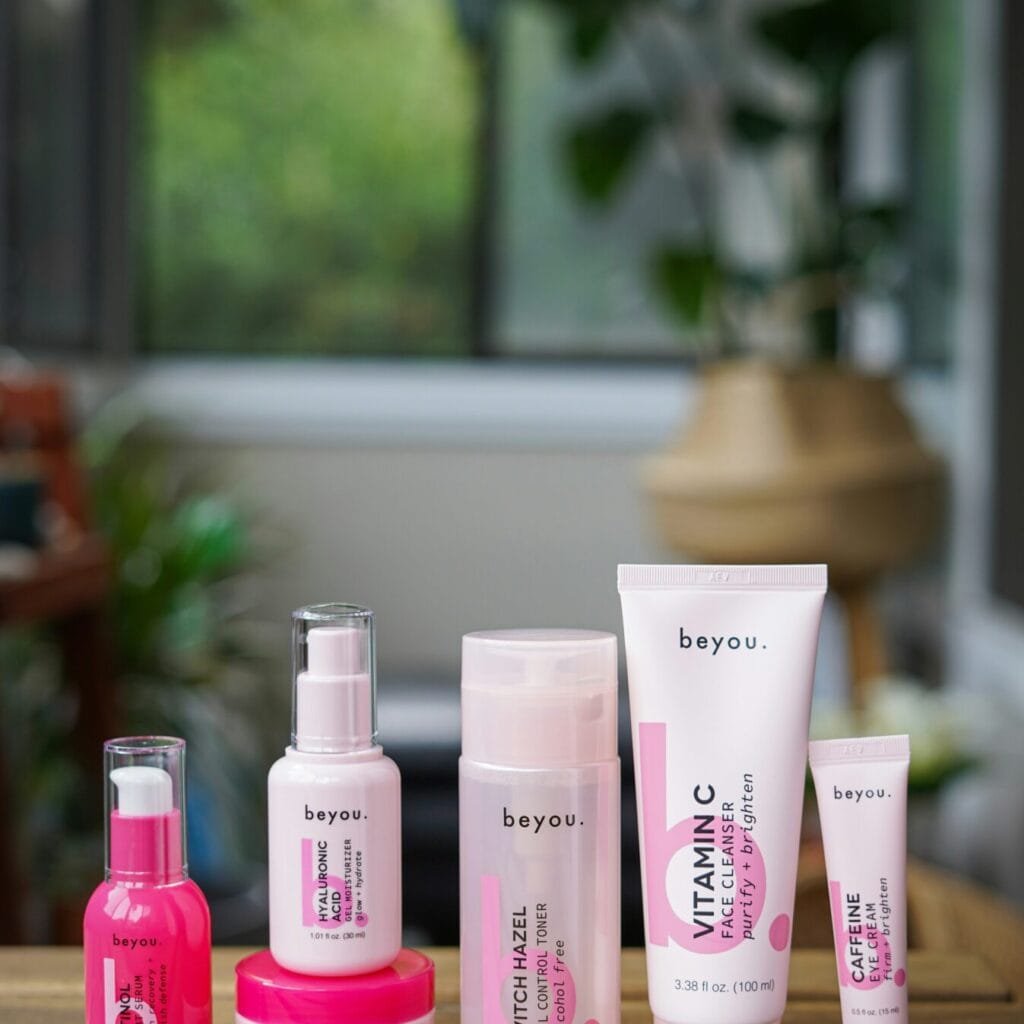
Cosmetic Patents and Novelty in Modern Formulations Navigation Introduction Formulation Architecture as Patentable Structure Delivery Systems and Bioavailability Engineering Stability Engineering and Shelf Life Control Sensory Performance as Functional Innovation Microbiome Compatible and Biological Interaction Design How Cosmetic Patents Are Actually Won Introduction Innovation in cosmetics rarely comes from a single ingredient. Instead, patentable advances […]
Patent Licensing: How Businesses Monetize Intellectual Property
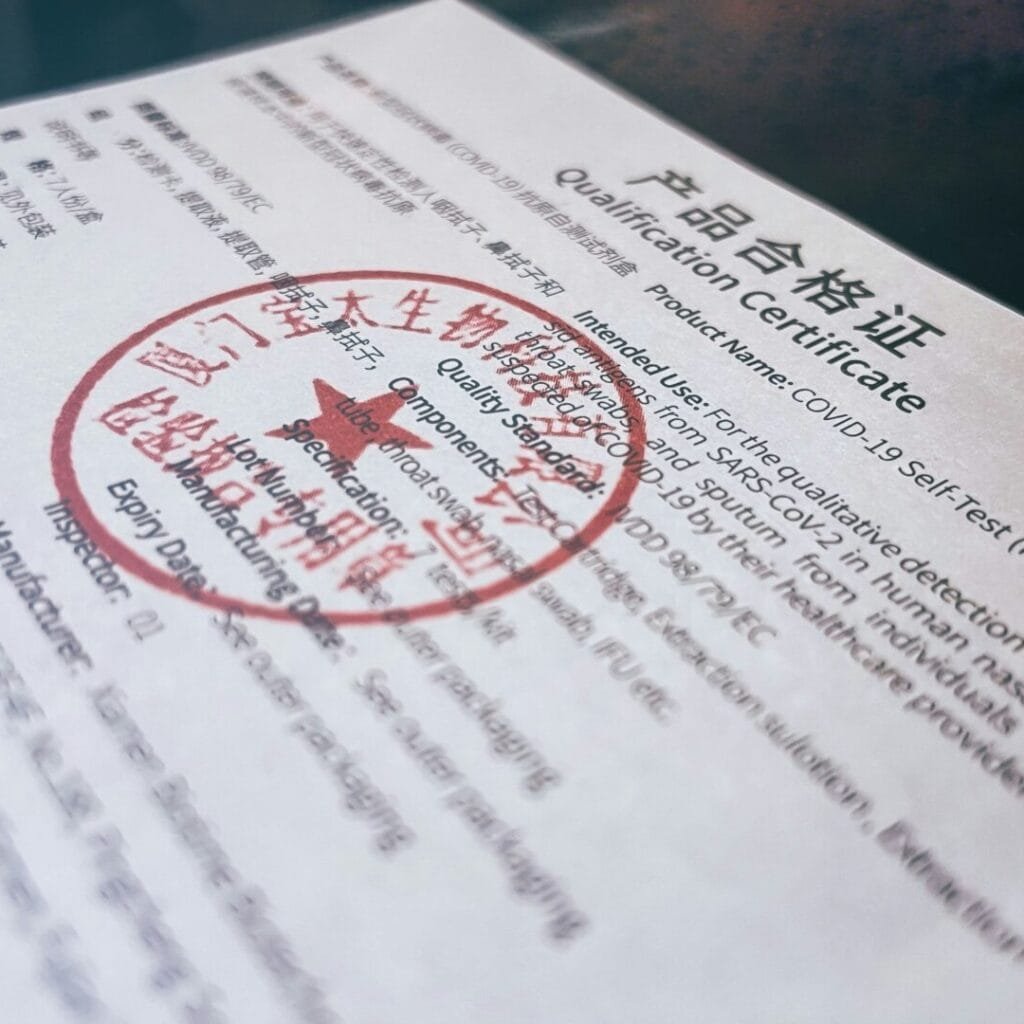
Patent Licensing: How Businesses Monetize Intellectual Property Navigation What Is Patent Licensing? Why Patent Licensing Matters Types of Licensing Agreements How Licensing Patents Works Patent Royalty Structures Benefits of Patent Licensing Risks and Challenges Frequently Asked Questions Conclusion What Is Patent Licensing? Patent licensing is the process by which a patent owner grants another party […]
Who Owns Employee Inventions?

Who Owns Employee Inventions? Navigation Introduction Default Rule: The Employee Owns the Invention Exception: Invention Assignment Agreements Shop Rights: Employer’s Limited Protection Employees Hired to Invent University and Medical Research Settings No Agreement: Risk for Employers Key Takeaways Practical Considerations Need Help Structuring Ownership of Employee Inventions? Introduction When an employee creates a new product, […]
USPTO SMED Update (April 30, 2026): New Guidance

USPTO SMED Update (April 30, 2026): New Guidance Navigation Introduction What is the USPTO SMED Update? Key Changes in the April 2026 USPTO SMED Update Strategic Considerations for Rule 132 Subject Matter Eligibility Declarations Final Thoughts on the April 2026 USPTO SMED Update Introduction The United States Patent and Trademark Office (“USPTO”) issued a significant […]
Why Life Science Patents Usually Face A Restriction Requirement
Why Life Science Patents Usually Face A Restriction Requirement Summary A restriction requirement occurs when the USPTO determines that a patent application claims multiple independent and distinct inventions. Life science patent applications frequently receive restriction requirements because they often contain multiple species, compounds, methods, and formulations. Biotechnology applications involving antibodies, proteins, nucleic acids, and Markush […]
Key Considerations For Software Patent Eligibility

Key Considerations For Software Patent Eligibility Summary Software inventions must satisfy the patent eligibility requirements of 35 U.S.C. § 101 in addition to novelty, non-obviousness, and disclosure requirements. The Alice/Mayo framework evaluates whether software claims are directed to an abstract idea and, if so, whether they contain an inventive concept. Tailored software and innovative coding […]
The Role of Testing Data in Patent Applications

The Role of Testing Data in Patent Applications Summary Testing data can help establish an invention’s utility and support a claimed therapeutic or functional use. Working examples can support broader genus claims, particularly when the tested embodiments are representative of the claimed scope. Testing can help establish a structure-function relationship and support claims to particular […]